Expert Insights by Dr. Aditya Pawaskar, MS (Orthopaedics) – Arthroscopy & Sports Injury Specialist, Mumbai
In recent years, regenerative medicine has revolutionized the treatment of sports injuries, offering athletes an alternative to traditional methods. Techniques like Platelet-Rich Plasma (PRP) Therapy, Prolotherapy, and other healing boosters have gained significant attention for their ability to promote natural healing, reduce pain, and accelerate recovery times. These therapies are not only beneficial for treating injuries but also play a crucial role in enhancing the overall recovery process, helping athletes get back to their game faster and with reduced risk of re-injury.
In this blog, we explore the emerging regenerative medicine trends in sports and how PRP, Prolotherapy, and healing boosters are becoming game-changers for athletes worldwide.
What Is Regenerative Medicine in Sports?
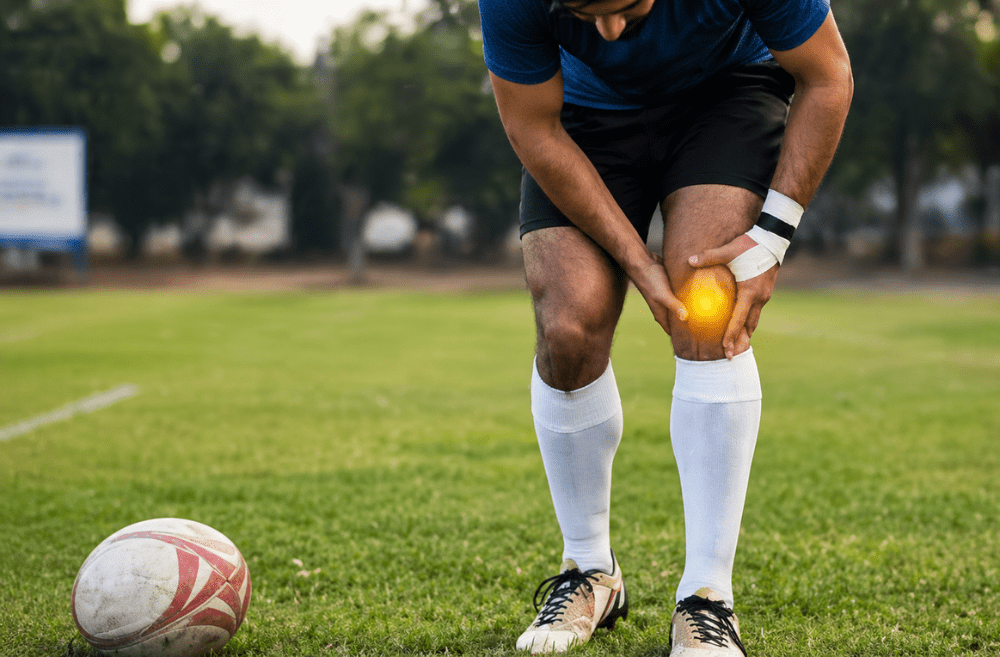
Regenerative medicine involves the use of biological therapies to repair or replace damaged tissues and organs, promoting the body's natural healing process. In sports medicine, this means stimulating the body’s inherent ability to repair injuries, reduce inflammation, and restore function.
Key regenerative treatments used in sports include:
- PRP Therapy: Using concentrated platelets from your own blood to promote healing.
- Prolotherapy: A technique where an irritant is injected to stimulate the body’s healing response.
- Stem Cell Therapy: Using stem cells to regenerate damaged tissues (covered in a future post).
These treatments help avoid invasive surgeries, minimize downtime, and enhance recovery.
Platelet-Rich Plasma (PRP) Therapy: Accelerating Healing
- What Is PRP Therapy?
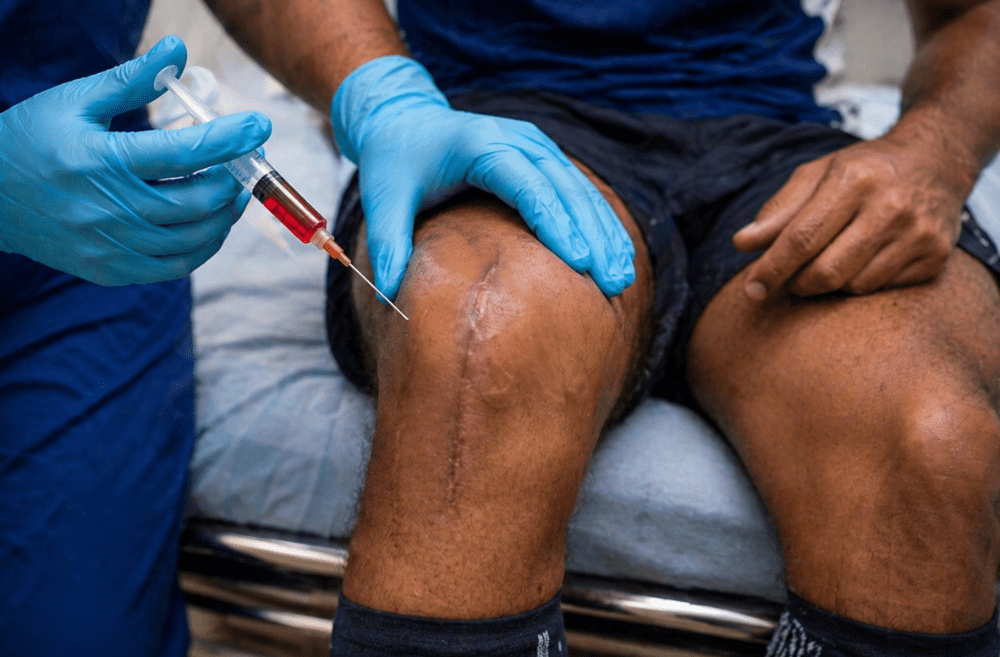
Platelet-Rich Plasma (PRP) therapy involves drawing a small amount of the patient’s blood, processing it to concentrate the platelets, and injecting it into the injured area. Platelets contain growth factors that accelerate tissue repair and regeneration.
- PRP for Sports Injuries
PRP is most commonly used to treat:- Tendon injuries: Including Achilles tendinopathy and rotator cuff tears.
- Ligament sprains: Such as ACL injuries.
- Muscle strains: To repair damaged muscle tissues.
- How PRP Enhances Recovery
By promoting tissue regeneration and reducing inflammation, PRP therapy accelerates healing in soft tissues, joints, and ligaments. It allows athletes to avoid prolonged periods of rest and resume training more quickly, which is crucial for maintaining performance.
Prolotherapy: A Natural Healing Booster
- What Is Prolotherapy?
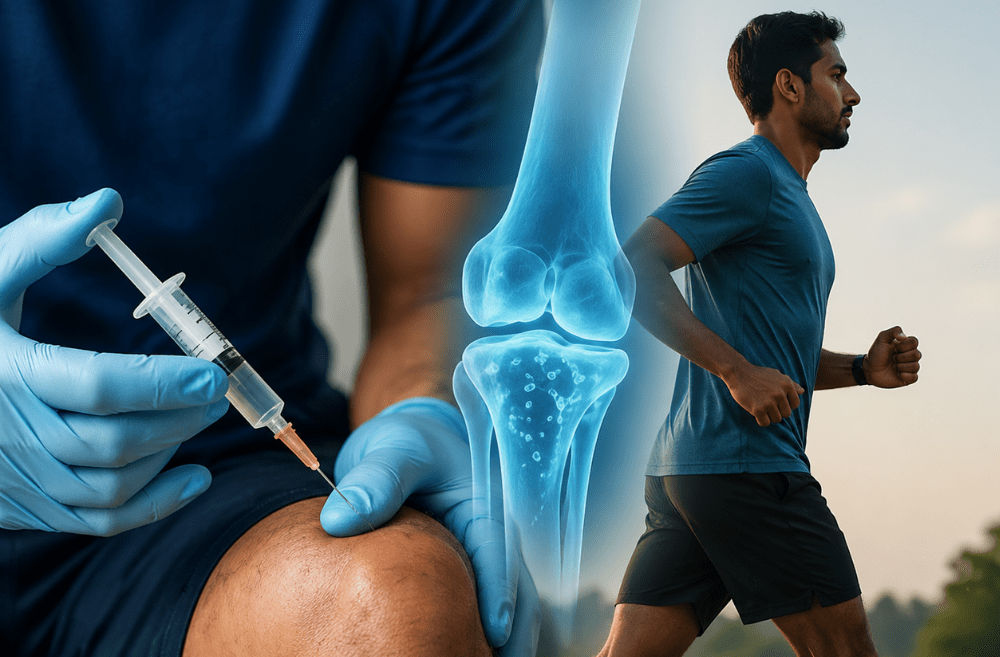
Prolotherapy, also known as regenerative injection therapy, involves injecting an irritant solution (typically dextrose or saline) into the injured area. This irritant triggers the body’s natural healing response, stimulating the growth of new tissue and strengthening weakened joints and ligaments.
- Prolotherapy for Sports Injuries
Prolotherapy is commonly used to treat:- Chronic ligament or tendon injuries: Especially in conditions like tennis elbow, jumper's knee, or chronic sprains.
- Joint instability: For patients with recurrent joint dislocations or ligament laxity.
- Benefits of Prolotherapy in Sports
Prolotherapy enhances the stability and function of the injured joint or ligament. By promoting tissue repair and encouraging the growth of collagen fibers, it helps athletes recover from injuries without the need for extensive surgery.
Healing Boosters: A New Frontier in Sports Recovery
- What Are Healing Boosters?
Healing boosters include various treatments designed to enhance the body’s healing process. These may involve the use of:- Stem cell therapy: To regenerate damaged tissues.
- Growth factors: Administered via injections or topical creams to boost cellular repair.
- Platelet-rich fibrin matrix (PRFM): A stronger, more concentrated form of PRP.
- How Healing Boosters Enhance Recovery
Healing boosters stimulate the production of key growth factors and repair molecules, accelerating tissue regeneration and collagen formation. These therapies reduce inflammation, increase blood flow, and stimulate cellular repair, providing significant pain relief and improved joint function for athletes.
Comparing PRP, Prolotherapy & Healing Boosters: Which is Right for You?
Each of these regenerative treatments has its own strengths and ideal use cases:
- PRP Therapy is best suited for tendon, ligament, and muscle injuries, offering targeted tissue regeneration and pain relief.
- Prolotherapy works well for chronic ligament and joint injuries, especially when there is a need to stimulate healing in areas with poor blood supply.
- Healing Boosters like stem cell therapy and growth factors are often used for more severe or complex injuries that require significant tissue regeneration.
Choosing the Right Treatment
The choice of treatment depends on the type and severity of the injury, the athlete's goals, and the stage of recovery. Consulting with a sports injury specialist, such as Dr. Aditya Pawaskar, can help determine which regenerative medicine approach is best suited for your specific needs.
The Future of Regenerative Medicine in Sports
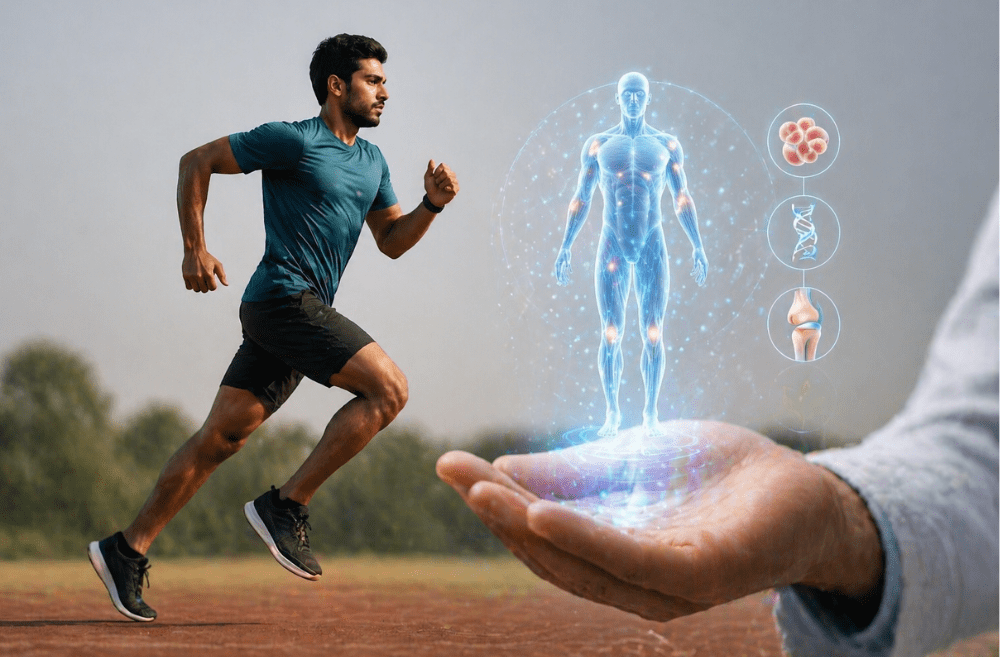
As research in regenerative medicine continues to evolve, new biological therapies and treatment protocols are being developed to improve the efficacy and accessibility of treatments for athletes. The future of sports recovery looks brighter than ever with the ongoing integration of PRP, prolotherapy, and healing boosters.
Athletes will benefit from:
- Faster recovery times with reduced risk of re-injury.
- Fewer surgeries required, allowing for less invasive treatment options.
- Personalized treatments tailored to the unique needs of each athlete.
Frequently Asked Questions (FAQs)
- Q1. Is PRP therapy effective for chronic injuries?
A: Yes, PRP therapy has been shown to be effective in treating chronic tendon and ligament injuries by promoting healing and reducing inflammation. It is especially useful for conditions like tendinopathy or chronic sprains. - Q2. How long does it take to recover from Prolotherapy?
A: Recovery time after prolotherapy varies depending on the severity of the injury and the individual’s response to treatment. Generally, athletes may see improvements within 4-6 weeks after a series of injections. - Q3. Can healing boosters help with cartilage damage?
A: Yes, certain healing boosters like stem cell therapy are being used to help regenerate damaged cartilage, especially in conditions like osteoarthritis, providing significant relief and promoting long-term joint health.
Conclusion
Regenerative medicine is a game-changer in the field of sports injury treatment and recovery. With PRP therapy, prolotherapy, and healing boosters paving the way for more effective and non-invasive treatments, athletes now have access to cutting-edge therapies that promote faster recovery, reduced pain, and fewer long-term complications.
As a specialist in arthroscopy and sports injuries, I believe that these advancements will not only improve the quality of life for athletes but also provide them with the tools they need to continue competing at the highest level.

Dr. Aditya Pawaskar, MS (Orthopaedics)
- Specialist in Arthroscopy & Sports Injury, Mumbai
Visit: https://dradityapawaskar.com/