Expert Insights by Dr. Aditya Pawaskar, MS (Orthopaedics) – Arthroscopy & Sports Injury Specialist, Mumbai
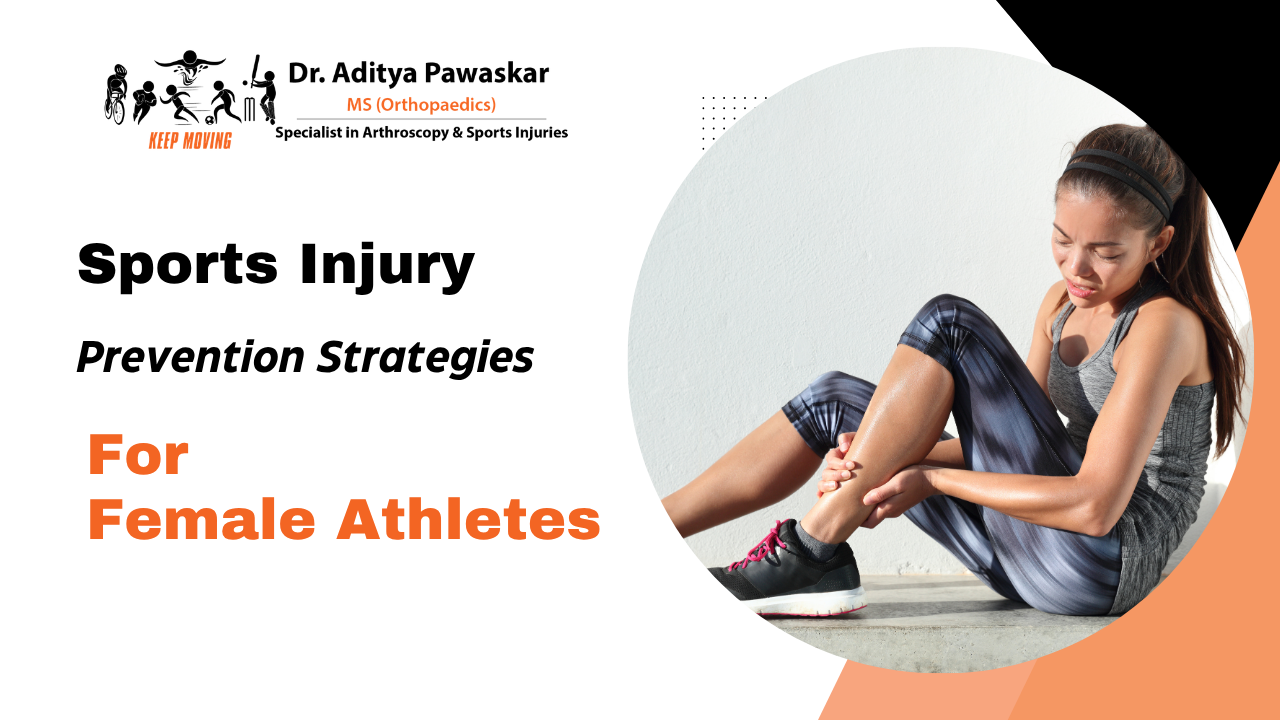
Sports injury prevention is an area of intense research and innovation, particularly when it comes to female athletes. Physiological differences, such as wider hips, hormonal fluctuations, and increased ligament laxity, make women more susceptible to certain types of injuries, especially those related to the knee and lower back. As we progress through 2026, evolving technologies and research are uncovering new strategies to mitigate these risks, helping female athletes perform at their best while minimizing the risk of long-term damage.
In this blog, we will delve into emerging sports injury prevention strategies for female athletes, exploring the latest trends, advancements, and practices to safeguard women’s athletic health.
1. The Physiological Differences: Understanding the Risks for Female Athletes
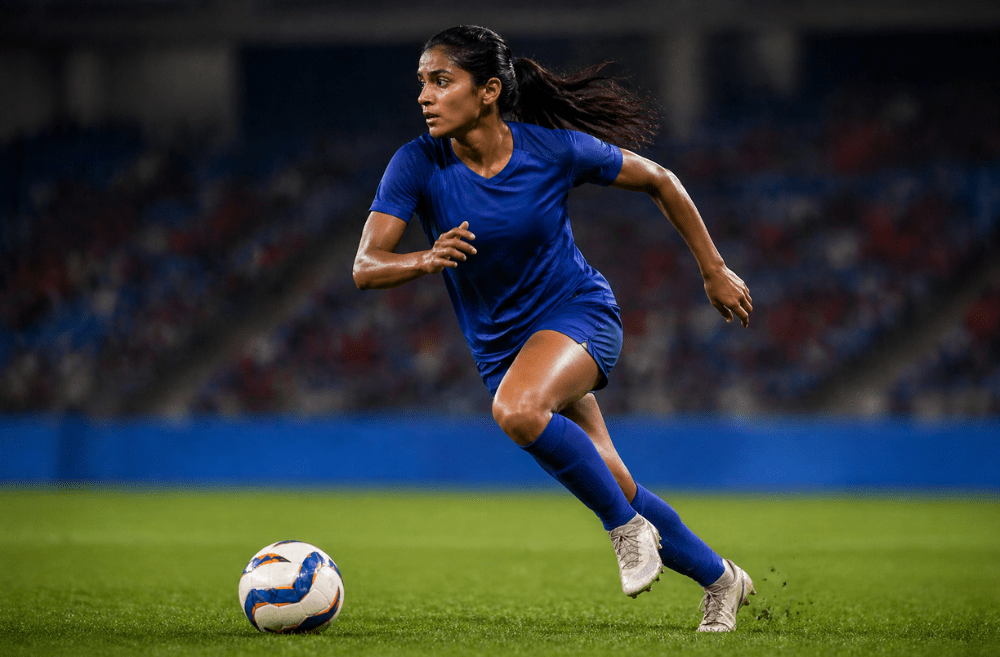
Understanding the physiological differences between male and female athletes is essential in injury prevention. Female athletes face higher risks for certain types of injuries due to factors like:
- Wider hips: This increases the stress on the knees, making women more prone to ACL (Anterior Cruciate Ligament) injuries.
- Hormonal fluctuations: Changes in estrogen levels can affect ligament strength and flexibility, contributing to joint instability.
- Musculoskeletal imbalances: Women often experience muscle imbalances, particularly between the quadriceps and hamstrings, which can lead to overuse injuries.
These factors necessitate a tailored approach to sports injury prevention, and advances in research are now helping to create strategies that address these specific concerns.
2. Biomechanics and Movement Pattern Optimization
One of the most effective ways to prevent injuries is by optimizing an athlete's biomechanics — how they move, land, and perform dynamic actions. Biomechanical analysis helps identify movement deficiencies and imbalances that may lead to injuries.
- Using Motion Capture & Biomechanical Assessments
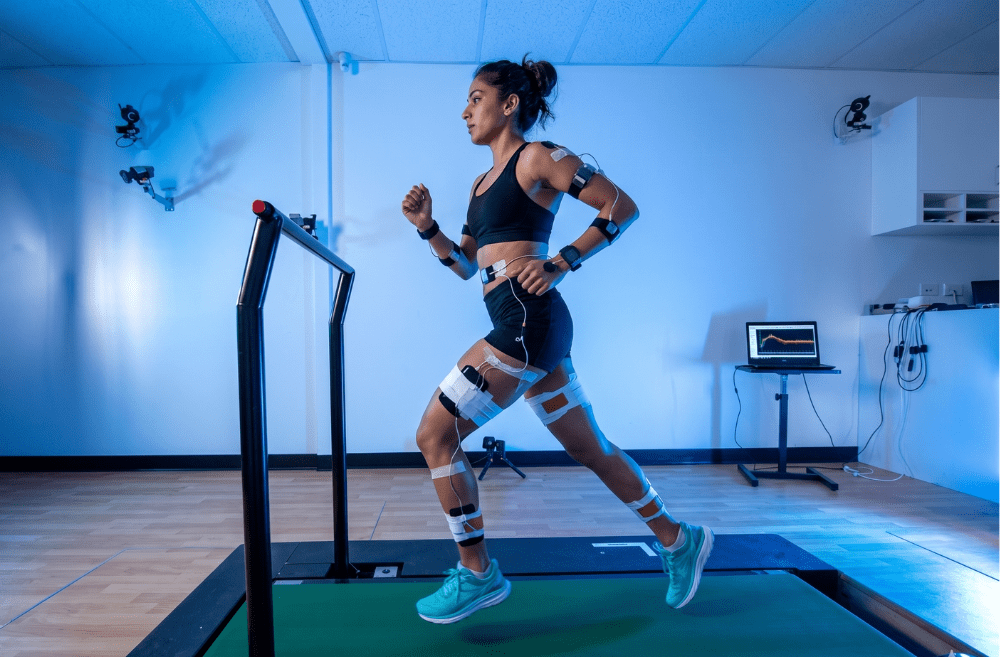
In 2026, more sports organizations and clinics are using motion capture technology to assess an athlete's form with high precision. These systems capture the angles of joints, analyze movement mechanics, and detect asymmetries or inefficient patterns.
-
By identifying issues like improper knee alignment during jumps or uneven landing mechanics, experts can intervene early with corrective exercises that focus on:
- Strengthening weak muscles
- Enhancing flexibility in tight areas
- Improving overall coordination and balance
3. Strength Training and Injury Prevention for Female Athletes
Strength training is a critical component of injury prevention, especially for female athletes. Many injuries, particularly ACL tears, can be avoided through proper strengthening of the muscles around vulnerable joints.
- Targeted Strengthening Programs
Strengthening exercises that target the quadriceps, hamstrings, and hip abductors can help balance the forces on the knee, thereby reducing the risk of ACL injuries. Research has shown that programs designed specifically for female athletes can enhance joint stability and improve overall athletic performance. - Power and Plyometrics
For sports requiring explosive movements (such as basketball or volleyball), incorporating plyometric training (e.g., box jumps, bounding, and lateral hops) can improve muscle strength and tendon resilience. These exercises enhance the athlete’s ability to handle high-impact forces without injury.
4. Hormonal Considerations: Timing of Training and Recovery
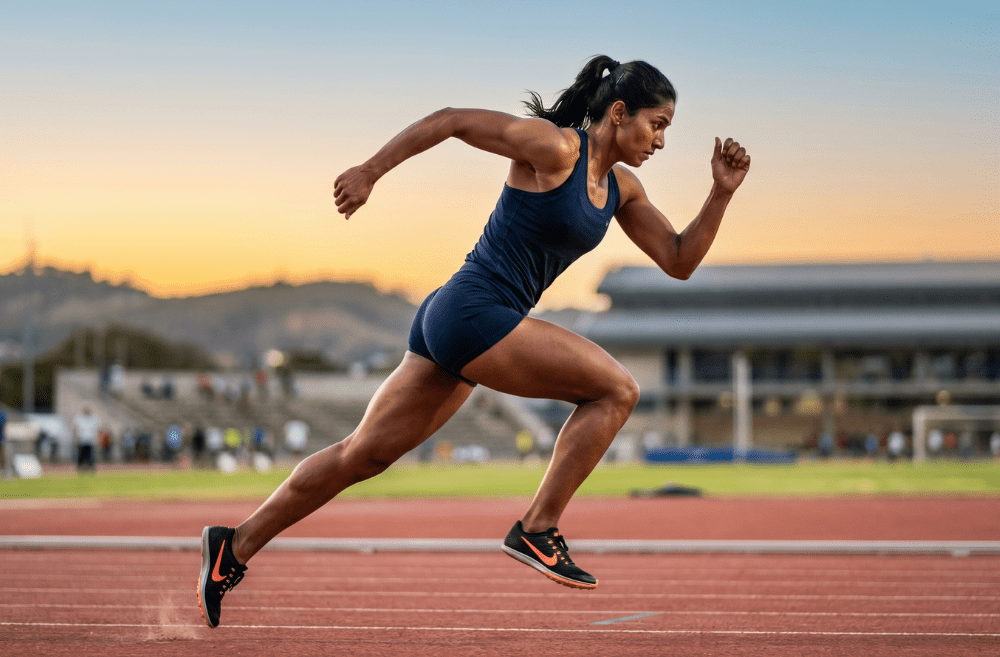
Female athletes’ hormones fluctuate throughout their menstrual cycle, which can affect their risk of injury. For instance, higher estrogen levels can increase ligament laxity, while lower estrogen can lead to decreased flexibility and slower recovery.
- Adapting Training to the Menstrual Cycle
In 2026, sports scientists are advocating for cycle-specific training regimens. By tailoring the intensity of workouts to the phases of a woman’s cycle, coaches can:
-
- Maximize performance during the follicular phase (when estrogen levels are higher)
- Focus on strength training and recovery during the luteal phase (when progesterone increases and ligaments are more relaxed)
5. The Role of Wearable Technology in Injury Prevention
Advancements in wearable technology have transformed the way sports injuries are monitored and prevented. Devices that track movement patterns, workload, and even physiological responses (e.g., heart rate variability and muscle oxygen levels) provide real-time data that coaches and medical teams can use to make data-driven decisions.
- Smart Wearables for Female Athletes
Wearable sensors are now being used to monitor the kinematics of female athletes during training. These devices can provide crucial insights into:- Posture and form during exercises
- Fatigue levels that signal an increased risk of injury
- Training load management, ensuring athletes don’t overexert themselves
6. The Importance of Recovery: Enhancing Rest and Rehabilitation
While injury prevention during training is critical, proper recovery is equally essential in minimizing the risk of injury.
- Sleep, Nutrition, and Recovery Protocols
For female athletes, maintaining a healthy balance of nutrition, sleep, and rehabilitation plays a pivotal role in recovery. Key recovery strategies include:- Adequate sleep: Crucial for muscle repair and tissue regeneration.
- Nutrition: A balanced diet with enough protein and calcium to support bone and muscle health.
- Active recovery: Techniques like foam rolling, physiotherapy, and low-impact exercises to reduce muscle tension and enhance flexibility.
- Neuroplasticity and Rehabilitation Technologies
Emerging rehabilitation technologies, like neuromuscular electrical stimulation (NMES) and robot-assisted therapy, are helping athletes recover faster and more effectively from injury. These technologies stimulate muscle and nerve activity, speeding up the healing process and ensuring a safer return to play.
7. The Future: Creating Equal Opportunities for Women in Sports
As we move forward into 2026, there is a clear trend towards ensuring that female athletes have access to the same injury prevention resources as their male counterparts. Whether through specialized training programs, personalized biomechanics assessments, or wearable technology, the goal is to create an environment where women’s sports health is prioritized equally.
By incorporating these emerging sports injury prevention strategies into their training, female athletes can enjoy longer, injury-free careers, and continue to break barriers in their respective sports.
Frequently Asked Questions (FAQs)
- Q1. Why are female athletes more prone to certain types of injuries?
A: Female athletes are more prone to injuries due to factors such as wider hips, hormonal fluctuations, and increased ligament laxity. These differences make them more susceptible to injuries like ACL tears and stress fractures. - Q2. What are the most effective injury prevention strategies for female athletes?
A: Effective strategies include targeted strength training, biomechanical assessments, flexibility exercises, and cycle-specific training programs. Proper nutrition and recovery are also crucial components. - Q3. How can wearable technology help female athletes prevent injuries?
A: Wearable technology helps by monitoring an athlete's movement patterns, fatigue levels, and training load. Real-time data from wearables enables adjustments to be made during training, reducing the risk of injury.
Conclusion
In 2026, sports injury prevention for female athletes is evolving at an unprecedented pace. From biomechanical assessments and hormonal adaptations to the integration of wearable technology, these emerging strategies offer unprecedented opportunities for athlete safety and performance. As a specialist in arthroscopy and sports injuries, I am committed to ensuring that female athletes receive the care and attention they need to succeed, safely.

Dr. Aditya Pawaskar, MS (Orthopaedics)
- Specialist in Arthroscopy & Sports Injury, Mumbai
Visit: https://dradityapawaskar.com/