Expert Insights by Dr. Aditya Pawaskar, MS (Orthopaedics) – Arthroscopy & Sports Injury Specialist, Mumbai
In recent years, technological innovation has dramatically transformed how sports injuries are predicted, prevented, monitored, and managed. As we step into 2026, cutting‑edge technologies like wearable sensors, artificial intelligence (AI), biomechanics monitoring, and immersive training tools are shifting sports medicine from reactive treatment to proactive injury prevention. These advancements are not only enhancing athlete safety but also optimizing performance for both elite and amateur sports enthusiasts.
In this blog, we explore the key technological trends shaping the future of sports injury prevention, and how they are redefining athlete care and orthopedic practice today.
1. The Shift from Reactive to Predictive Injury Prevention
Traditionally, sports medicine focused on treating injuries after they occurred. But in 2026, the emphasis has shifted toward predictive prevention — identifying injury risk before tissue damage happens.
- Wearable Technology & Sensor‑Based Monitoring
Wearable devices embedded with advanced sensors now collect real‑time data on athletes’ biomechanics, movement patterns, workload, and physiological health during training and competition. These devices:
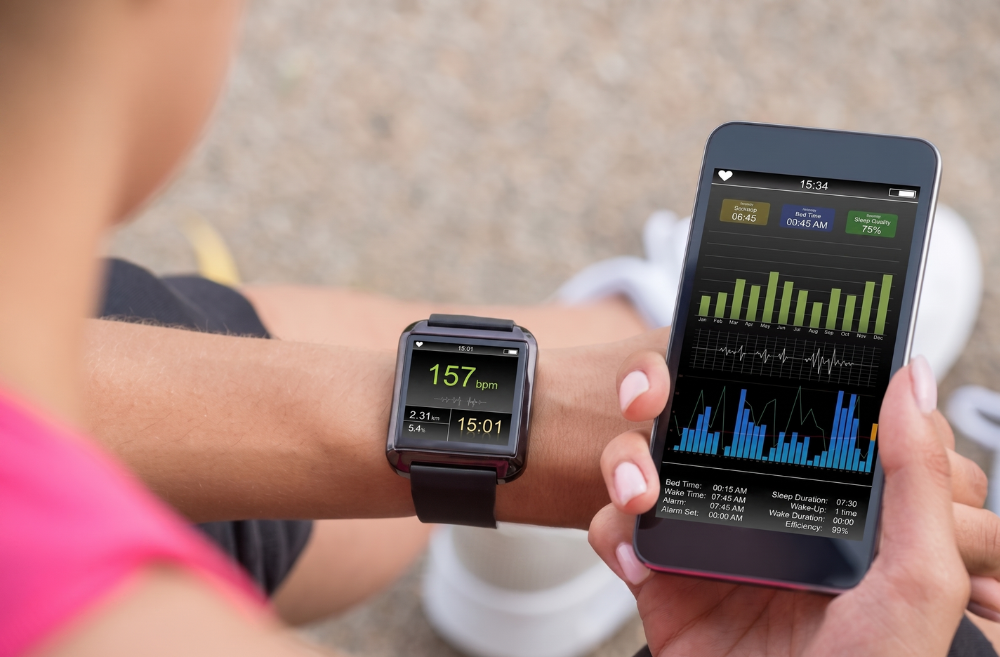
- Track joint angles, muscle load, and motion asymmetry
- Monitor fatigue levels and exertion
- Detect deviations in form that precede injury
- Artificial Intelligence (AI) and Big Data Analytics
AI algorithms analyze large volumes of sensor and performance data to predict who is at risk for injury and when that risk is highest. Machine learning models can detect complex patterns invisible to the naked eye and alert medical teams proactively, reducing the incidence of overuse and impact‑related injuries.
2. Personalized Biomechanics & Movement Optimization
Understanding an athlete’s unique movement signature is one of the biggest breakthroughs in injury prevention.
- Biomechanics & Motion Analysis
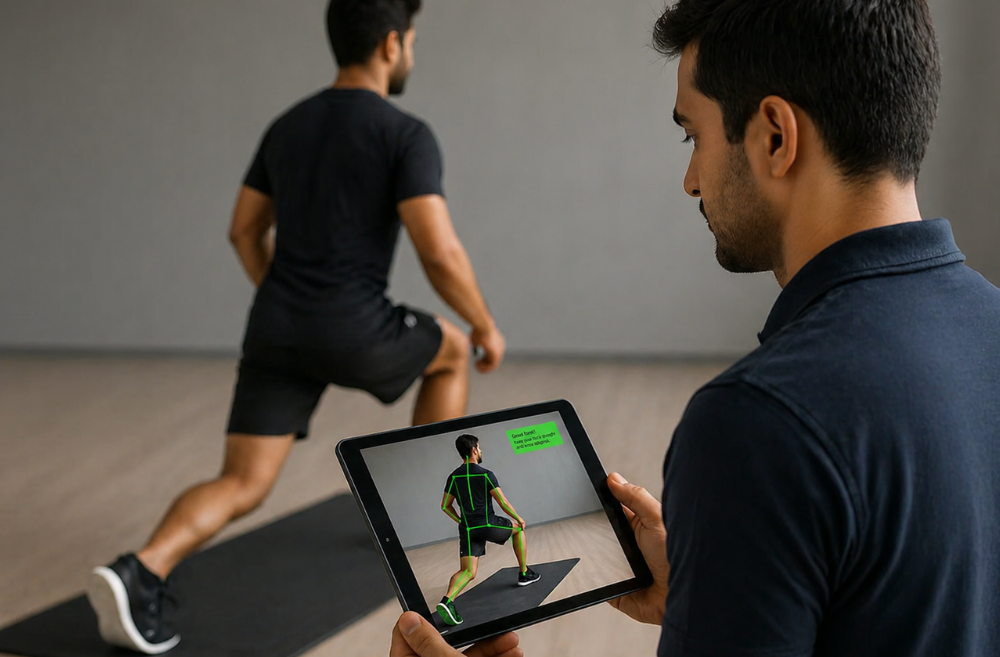
Advanced motion capture systems and computer vision technologies evaluate an athlete’s technique at millisecond accuracy. Movement inefficiencies — like an unstable knee during pivots or uneven stride mechanics — can signal a high risk for injuries such as ACL tears or tendinopathies.This objective, data‑driven assessment empowers healthcare professionals to prescribe corrective exercises and adjust training loads with higher precision.
3. Virtual & Augmented Reality: Train Smart, Reduce Risk
Virtual Reality (VR) and Augmented Reality (AR) are more than gaming technologies — they are powerful tools in sports training and injury prevention.
- Immersive Training Environments
VR systems offer athletes a controlled, risk‑free platform to rehearse movements and strategies without physical strain. These simulations can improve neuromuscular coordination, reaction timing, and spatial awareness — all crucial factors in preventing injury during high‑impact performance.This technology also supports rehabilitation later in the recovery process by enabling graded exposure to movement patterns at safe intensity levels.
4. Real‑Time Monitoring for Recovery & Load Management
Training load — the cumulative stress placed on muscles, tendons, and joints — is one of the most important factors in injury risk. Too much load too soon increases injury likelihood, while overly cautious training may lead to deconditioning.
- Smart Load Analytics
Wearables and AI analytics platforms now regulate training load thresholds, providing actionable feedback on:- Optimal training durations
- Rest periods based on physiological recovery metrics
- Personalized training intensity adjustments
5. Technology‑Enhanced Rehabilitation and Return‑to‑Play Decisions
Preventing re‑injury after recovery is as important as preventing the initial injury.
- AI‑Driven Rehabilitation Plans
Artificial intelligence supports personalized rehab programs by analyzing performance data and adapting exercises based on recovery progress. These tailored plans help reduce recovery time and lower the risk of re‑strain. - Objective Return‑to‑Play Metrics
Using sensor data and predictive algorithms, clinicians can now make safer return‑to‑sport decisions based on quantifiable readiness rather than subjective judgment alone. This has led to more sustainable outcomes for athletes, especially in high‑risk sports like football and cricket.
6. Broader Accessibility: Technology for All Athletes
While top sports teams adopted advanced technologies first, these innovations are now accessible to broader communities:
- Smartphone‑compatible motion analysis tools
- Wearables at consumer‑friendly prices
- Apps that guide athletes and coaches without specialized hardware
This democratization of injury prevention technology means that whether you’re a weekend runner or a professional cricketer, evidence‑based injury prevention tools are within reach.
Frequently Asked Questions (FAQs)
- Q1. Can technology completely prevent sports injuries?
A: No technology can eliminate injuries entirely, but modern systems significantly reduce the incidence and severity of injuries by predicting risk factors early and guiding tailored interventions. - Q2. Are these technologies only for elite athletes?
A: Not at all — many wearable devices and mobile apps are designed for everyday users, providing valuable real‑time feedback for safe training. - Q3. How does technology help in rehabilitation?
A: Technology enables real‑time monitoring of recovery progress, adapts rehab exercises based on performance data, and supports safer return‑to‑play decisions through objective analytics.
Conclusion
The sports medicine landscape in 2026 is more proactive, data‑driven, and intelligent than ever before. Technology — from AI and wearables to VR training and real‑time analytics — is reshaping how we define sports injury prevention. These innovations empower athletes, coaches, and orthopaedic specialists to anticipate risks, optimize performance, and support long‑lasting athletic health.
As a specialist in arthroscopy and sports injury, I believe that embracing these advancements not only enhances athlete safety but also elevates the standard of orthopedic care in Mumbai and beyond.

Dr. Aditya Pawaskar, MS (Orthopaedics)
- Specialist in Arthroscopy & Sports Injury, Mumbai
Visit: https://dradityapawaskar.com/